
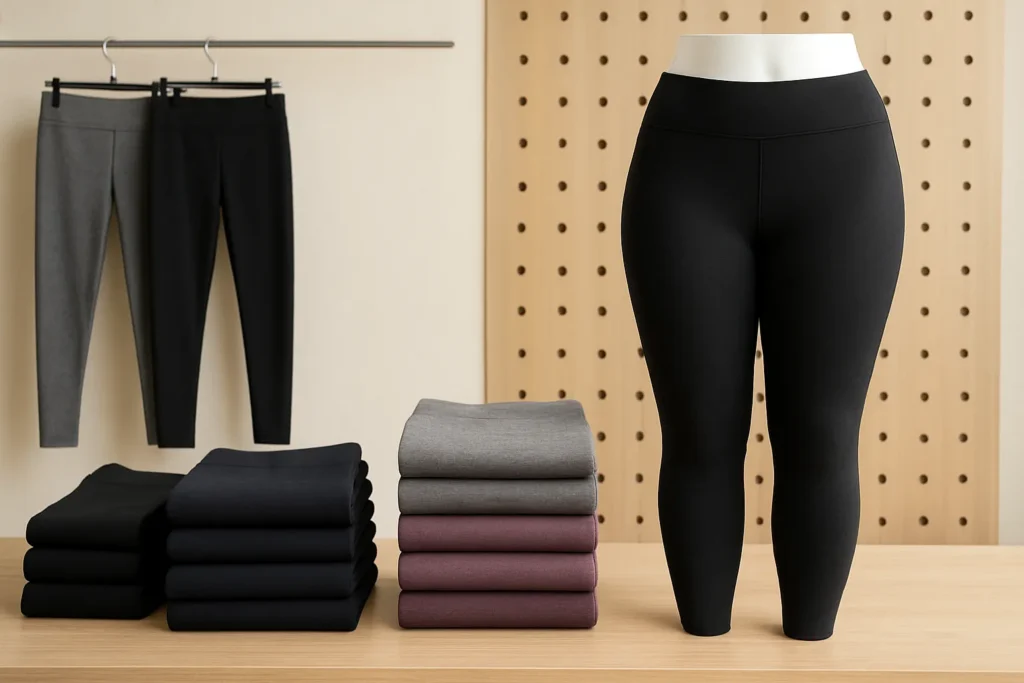
Choosing the Best Plus Size Leggings for Retail Stores: A Comprehensive Guide
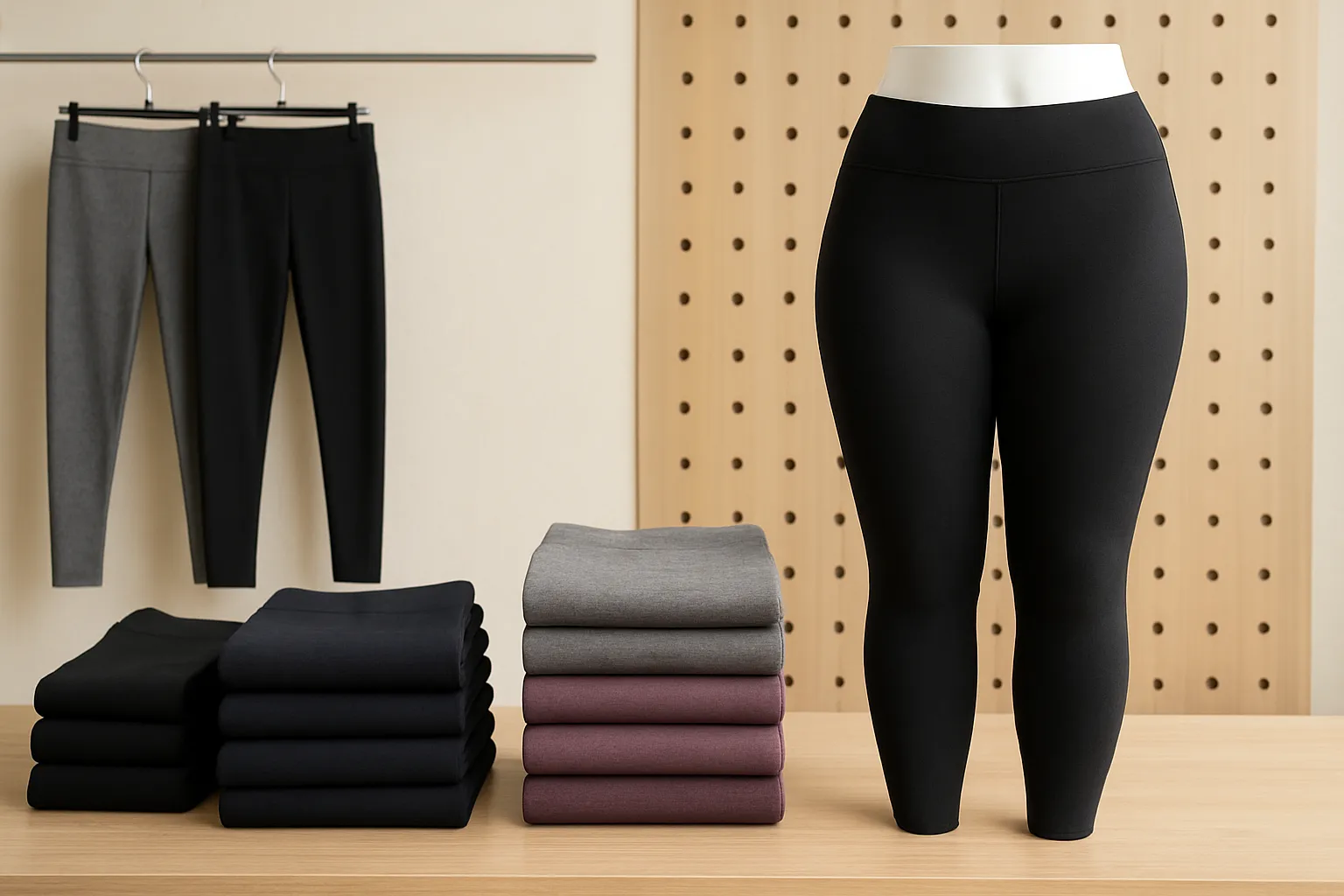
1. Understanding Plus Size Leggings
Definition and Importance
Plus size leggings are tailored specifically for customers who wear larger sizes, typically starting from size 14 and above. These leggings are not just a fashion statement; they are a vital component of many individuals’ modern wardrobes. In my experience, offering a diverse range of plus size leggings is crucial for retail businesses. It not only reflects inclusivity but also caters to a growing demographic that values stylish, comfortable, and functional clothing options.
Market Trends in Plus Size Apparel
The plus size apparel market has witnessed remarkable growth in recent years. Industry reports indicate that the demand for plus size clothing is rising, with consumers increasingly searching for fashionable options that fit well. Retailers who acknowledge and respond to this trend by offering an array of plus size leggings can tap into a lucrative market segment that prioritizes both style and comfort.
2. Key Specifications to Consider
Fabric Types and Quality
When choosing plus size leggings for your retail inventory, it’s essential to consider fabric types and overall quality. Common materials include cotton blends, spandex, and polyester, each offering unique benefits such as breathability, stretch, and moisture-wicking properties. From what I’ve seen, high-quality fabrics ensure durability and comfort, essential for customer satisfaction.
Size Range and Fit
A broad size range is critical when it comes to plus size leggings. Ensure your selection encompasses various sizes to cater to different body shapes. Additionally, consider the fit—whether high-waisted, mid-rise, or low-rise—as this significantly impacts customer preference. Providing detailed sizing charts helps customers make informed choices and minimizes return rates.
Design Features and Styles
Design elements such as pockets, patterns, and color options can set your leggings apart in a competitive marketplace. Offering a mix of styles—from basic black to vibrant prints—allows you to appeal to a wider audience. Consider the versatility of the leggings: can they transition from casual outings to workouts? This flexibility can enhance their attractiveness.
3. Use Cases for Plus Size Leggings
Everyday Wear vs. Activewear
Plus size leggings serve various purposes, from casual everyday wear to specialized activewear. Understanding these use cases will guide your purchasing decisions. Activewear leggings may require more technical features like moisture control and compression, while everyday leggings should prioritize comfort and style.
Seasonal Considerations
Seasonality impacts the types of plus size leggings you should stock. For example, lighter fabrics are ideal for spring and summer, while thicker, warmer materials are preferred in fall and winter. Keeping seasonal trends in mind will help you maintain a fresh inventory that meets customer needs throughout the year.
Target Demographics
Identifying your target demographics is essential for selecting the right plus size leggings. Consider factors such as age, lifestyle, and fashion preferences. Younger consumers may lean toward trendy patterns and cuts, while older customers might favor classic styles and colors.
4. Comparing Wholesale Leggings Suppliers
Evaluating Supplier Reputation
When sourcing wholesale leggings, supplier reputation is crucial. Research potential suppliers by reading reviews and seeking recommendations from fellow retailers. A dependable supplier will provide quality products and maintain good communication throughout the purchasing process.
Pricing and Minimum Order Quantities
Pricing structures and minimum order quantities (MOQs) can vary significantly among suppliers. Comparing prices is vital to ensure you receive a competitive rate, but it’s equally important to consider the quality of the leggings. In my opinion, sometimes investing a bit more for higher quality leads to better customer satisfaction and fewer returns.
Shipping and Return Policies
Understanding shipping and return policies is essential when selecting a supplier. Ensure that shipping times are reasonable and that the supplier has a clear return policy in case the products do not meet your expectations or those of your customers.
5. Sourcing Plus Size Leggings
Domestic vs. International Suppliers
Deciding between domestic and international suppliers involves weighing factors such as cost, shipping times, and product quality. Domestic suppliers might offer faster shipping and easier communication, while international ones may provide more competitive pricing on bulk orders.
Ethical Sourcing Practices
Consumers are increasingly concerned about ethical sourcing. Partnering with suppliers who adhere to fair labor practices and environmentally friendly production methods enhances your brand’s reputation and appeals to socially conscious customers.
Trade Shows and Online Marketplaces
Attending trade shows and exploring online marketplaces can be effective ways to discover new suppliers and products. These venues allow you to see the products firsthand and establish relationships with potential partners in the plus size leggings market.
6. Implementation in Your Retail Business
Inventory Management Strategies
Effective inventory management is crucial for maintaining a balanced stock of plus size leggings. Utilizing inventory management software to track sales trends and adjust your orders accordingly is a smart approach. This method helps prevent overstocking or running out of popular sizes.
Marketing and Promotion Tips
Marketing plus size leggings requires a tailored approach. Leverage social media platforms to showcase your products and engage with customers. Collaborating with influencers in the plus size community can also effectively promote your brand and extend your reach.
Customer Feedback and Adaptation
Listening to customer feedback is vital for adapting your product offerings. Encourage reviews and direct customer input to refine your selection of plus size leggings. This attentiveness can foster customer loyalty and improve overall sales.
7. Frequently Asked Questions
Common Retailer Concerns
Retailers often express concerns about the return rates associated with plus size leggings. By offering detailed sizing information and quality products, you can mitigate these concerns.
Sizing and Fit Questions
Customers frequently inquire about sizing and fit. Providing clear sizing charts and fit guides on your website can alleviate confusion and enhance the shopping experience.
Return and Exchange Policies
Having a transparent return and exchange policy is essential for building trust with customers. Ensure that your policy is easy to understand and accessible, which can lead to higher customer satisfaction.
Conclusion
Selecting the right plus size leggings for your retail business necessitates a comprehensive understanding of the market, careful selection of quality products, and effective strategies for marketing and inventory management. By focusing on your customers’ needs and adapting to market trends, you can successfully cater to this expanding demographic and enhance your business’s profitability.